
What Do Numbers on Tires Mean?
What Do Numbers
On Tires Mean?
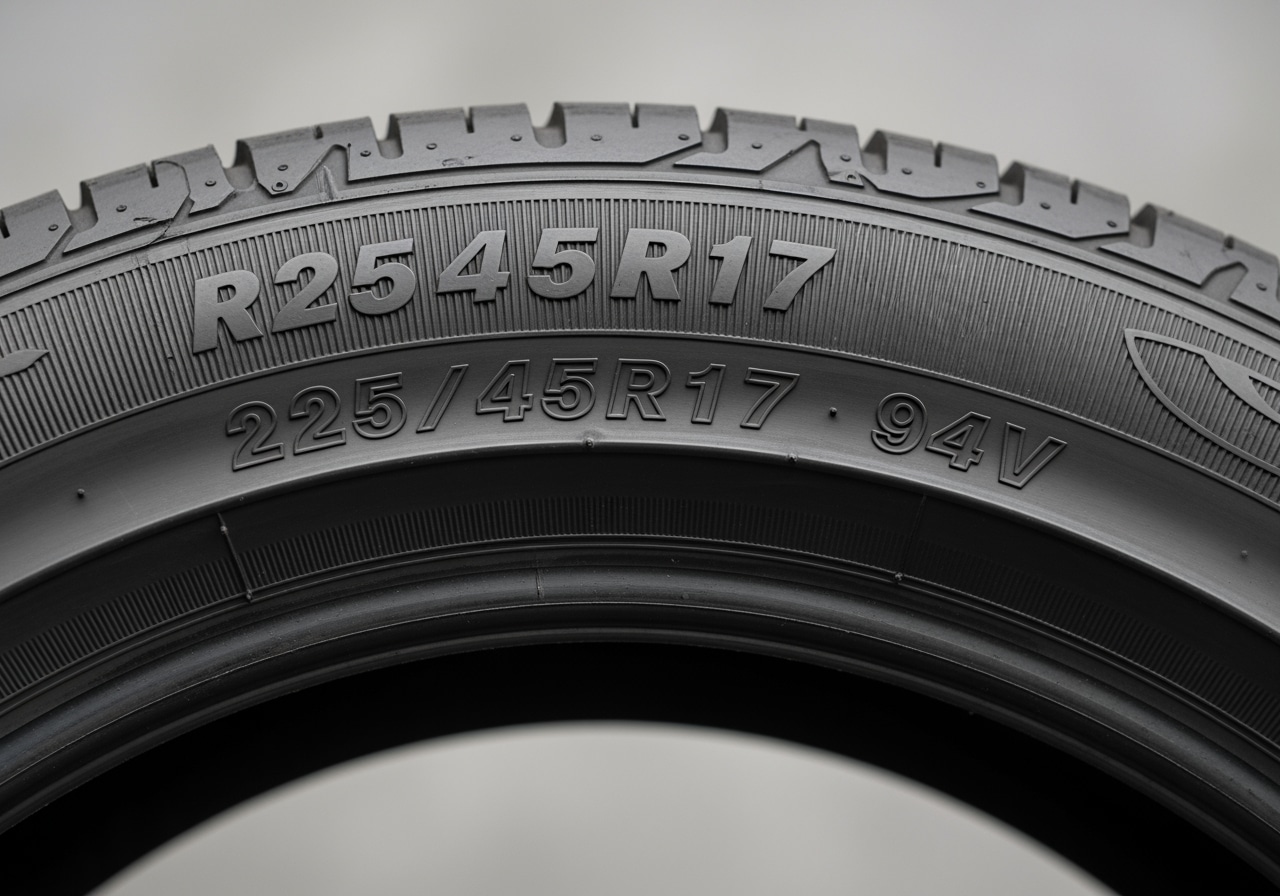
Numbers on tires indicate critical specifications including tire width, aspect ratio, construction type, wheel diameter, load index, and speed rating. Understanding these markings helps you select the right tires for safety and performance.
Key Tire Codes
Proper Fitment
Expert Consultation
Decoding Tire Sidewall Numbers
Tire numbers represent a comprehensive coding system that conveys critical safety and performance information. The alphanumeric sequence on your tire sidewall contains essential specifications that affect vehicle handling, fuel efficiency, load capacity, and driving safety.
At Race Track Auto Center, our ASE-certified technicians help customers decode tire numbers and select appropriate replacements based on driving needs and vehicle specifications. Our Houston location at 9840 Westpark Dr specializes in tire education and proper fitment.
Example tire size: P225/65R17 102H — each component tells you something important about the tire’s capabilities and compatibility with your vehicle.
Tire Width (225)
The first three digits indicate tire width in millimeters, measured from sidewall to sidewall.
- Affects road contact
- Impacts handling
- Influences traction
- Wider = more grip
Aspect Ratio (65)
Sidewall height as a percentage of tire width. Lower numbers mean shorter sidewalls.
- 65 = 65% of width
- Lower = sportier
- Higher = comfort
- Affects ride quality
Wheel Diameter (17)
The wheel/rim size in inches that the tire is designed to fit. Must match exactly.
- Measured in inches
- Must match wheel
- Common: 15-22″
- Critical for fitment
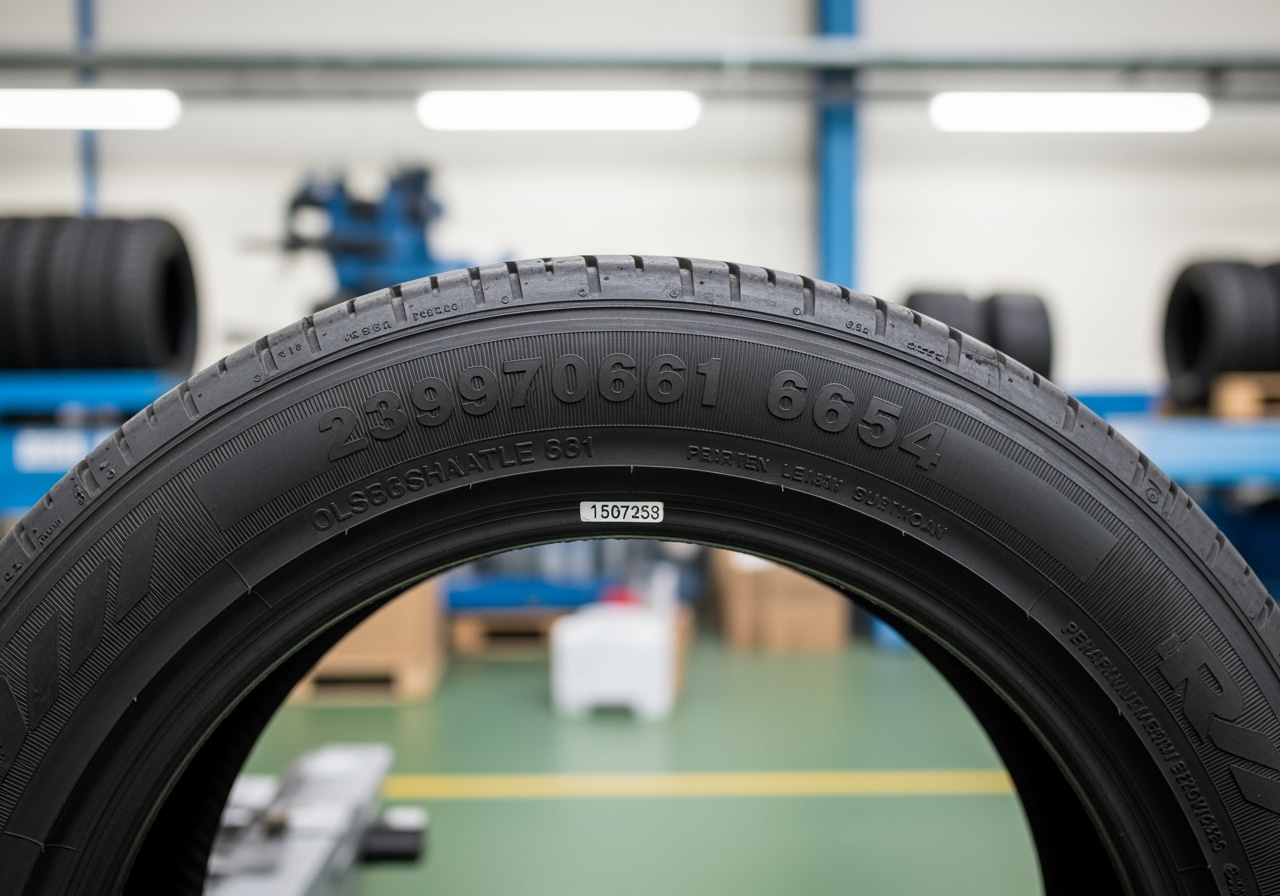
We explain every number on your tires.
“Houston’s diverse driving conditions from highway commuting to city traffic require understanding tire numbers to select optimal specifications. Proper tire selection based on sidewall markings enhances safety and performance on our challenging roads.”
Understanding Each Tire Number
A complete guide to every marking on your tire sidewall and what it means for your vehicle.
Tire Type (P/LT/ST)
P = Passenger vehicle, LT = Light Truck, ST = Special Trailer. This letter indicates what type of vehicle the tire is designed for.
Width in Millimeters
Tire width measured from sidewall to sidewall. Wider tires offer more grip but may reduce fuel economy.
Aspect Ratio
Sidewall height as percentage of width. 65 means height is 65% of 225mm. Lower = sportier handling.
Construction Type
R = Radial (most common), B = Bias Belt, D = Diagonal. Radial tires offer best performance for modern vehicles.
Wheel Diameter
Rim size in inches. This MUST match your wheel size exactly—a 17″ tire only fits a 17″ wheel.
Load Index & Speed Rating
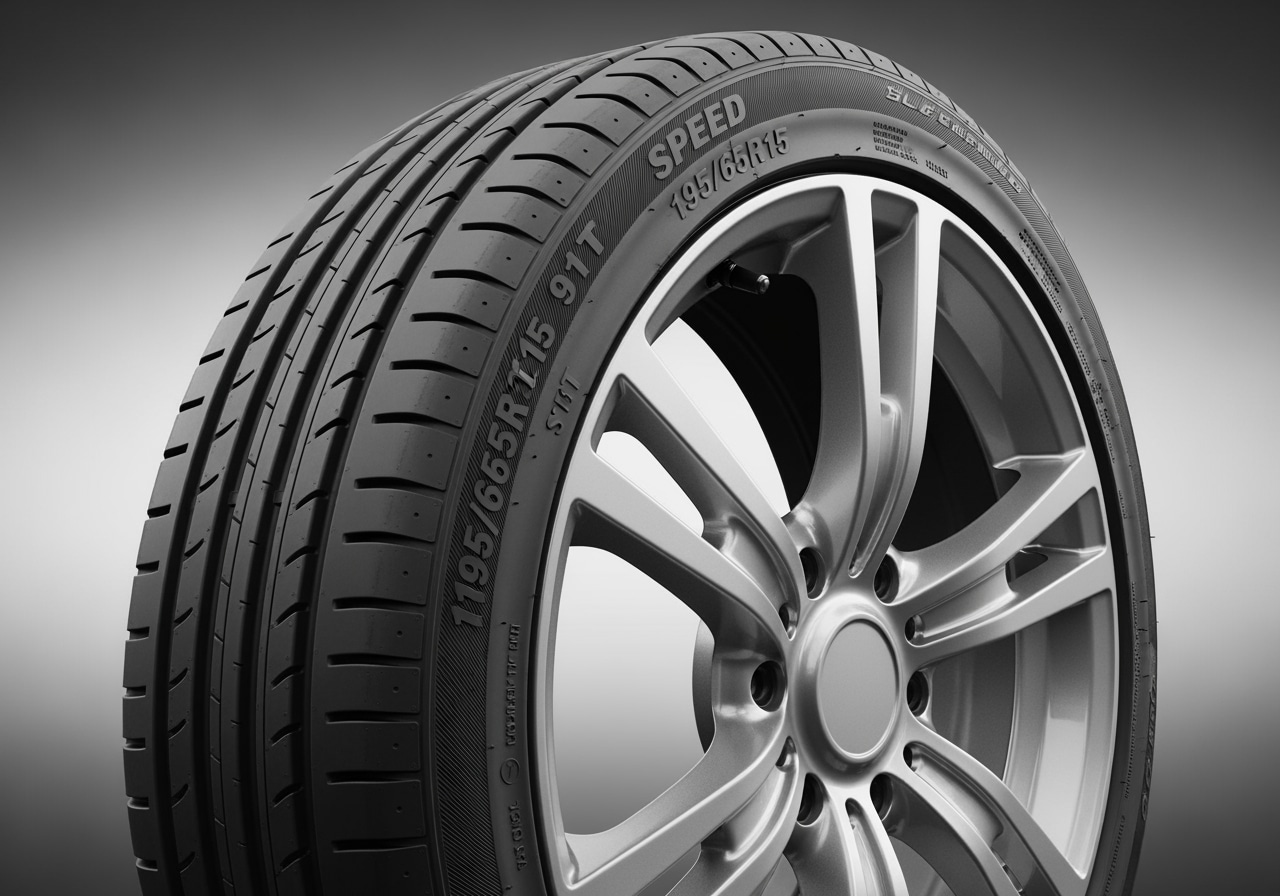
102 = 1,874 lbs per tire capacity. H = rated for speeds up to 130 mph. Both critical for safety.
Benefits of Understanding Tire Numbers
Knowing what tire numbers mean helps you make informed decisions about tire selection, ensuring safety, performance, and proper vehicle compatibility.
Safety Assurance
Correct load index and speed rating ensure your tires can handle your vehicle’s demands safely.
Optimal Performance
Proper tire specs provide the handling, braking, and fuel efficiency your manufacturer intended.
Avoid Costly Mistakes
Understanding numbers prevents buying wrong-sized tires that won’t fit or perform correctly.
Warranty Protection
Using manufacturer-recommended tire specs helps maintain your vehicle warranty coverage.
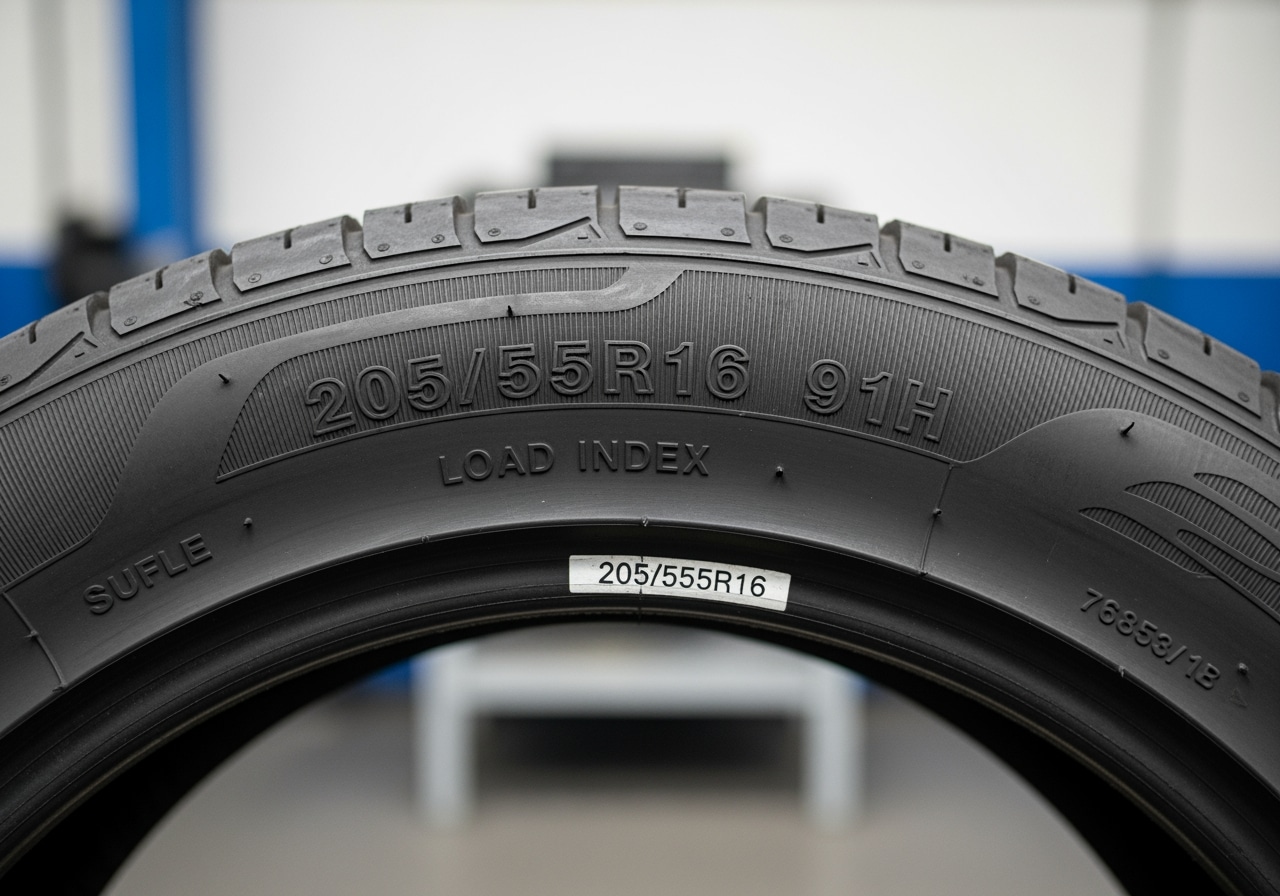
Proper Fitment
Houston Climate & Tire Selection
Extreme Heat Impact
Houston’s 100°F+ summers accelerate tire degradation. Higher speed ratings handle heat better, and proper load index prevents blowouts from heat expansion.
Wet Performance
Houston’s frequent rain requires tires with good wet traction. Tread pattern (indicated by tire model) matters more than numbers for wet grip.
Highway Driving
Houston’s extensive highway system demands appropriate speed ratings. H or V ratings recommended for regular highway commuters.
Load Capacity
Texas vehicles often carry heavy loads. Ensure load index meets or exceeds OEM specifications, especially for trucks and SUVs.
Our experts help you select the right tire numbers for Houston’s unique driving conditions.
Professional vs. DIY Tire Selection
Understanding why expert guidance prevents costly mistakes.
DIY Tire Selection
- remove May misinterpret numbers
- remove Risk of wrong fitment
- remove No load index verification
- remove Speed rating confusion
- remove No compatibility check
- remove Potential safety issues
Professional Consultation
- check Expert number interpretation
- check Guaranteed proper fitment
- check Load index verified
- check Appropriate speed rating
- check Vehicle compatibility confirmed
- check Safety optimized
What Houston Drivers Say
“I was confused by all the numbers when buying new tires. They explained everything clearly and helped me choose the right tires for my SUV and Houston driving. Great education!”
“I almost bought the wrong load index tires online for my truck. Race Track caught it and explained why I needed higher rated tires for hauling. Saved me from a potential blowout.”
“They took time to show me all the markings on my tire sidewall and what each one means. Now I feel confident shopping for tires. Knowledge is power—thanks Race Track!”
Proudly Serving Greater Houston
Conveniently located on Westpark Dr, we serve drivers throughout the Houston metropolitan area.
Westchase
Bellaire
Sharpstown
Meyerland
Gulfton
Galleria
Memorial
River Oaks
Midtown
Sugar Land
Katy
Harris County
Need Tire Guidance?
Visit us at 9840 Westpark Dr for free tire number consultation.
Common Load Index Values
| Load Index | Weight Capacity | Common Vehicle Type | Notes |
|---|---|---|---|
| 91 | 1,356 lbs per tire | Compact cars, sedans | Standard passenger vehicles |
| 102 | 1,874 lbs per tire | Midsize SUVs, crossovers | Popular for family vehicles |
| 111 | 2,403 lbs per tire | Full-size SUVs, trucks | For heavier vehicles/loads |
| 121 | 3,197 lbs per tire | Heavy-duty trucks | Towing and hauling |
1,356 lbs/tire
Compact cars, sedans
1,874 lbs/tire
Midsize SUVs, crossovers
2,403 lbs/tire
Full-size SUVs, trucks
3,197 lbs/tire
Heavy-duty trucks
Common Questions
Answers to frequent tire number questions.
What’s the difference between P and LT tires?
expand_more
Does speed rating really matter if I never drive that fast?
expand_more
Can I use a different tire size than my car came with?
expand_more
What happens if I use a lower load index than recommended?
expand_more
Where to Find Us
Need help understanding tire numbers? Our ASE-certified technicians provide free consultation to help you select the right tires for your vehicle and driving needs.