
Can You Patch A Run Flat Tire
Can You Patch A
Run Flat Tire?
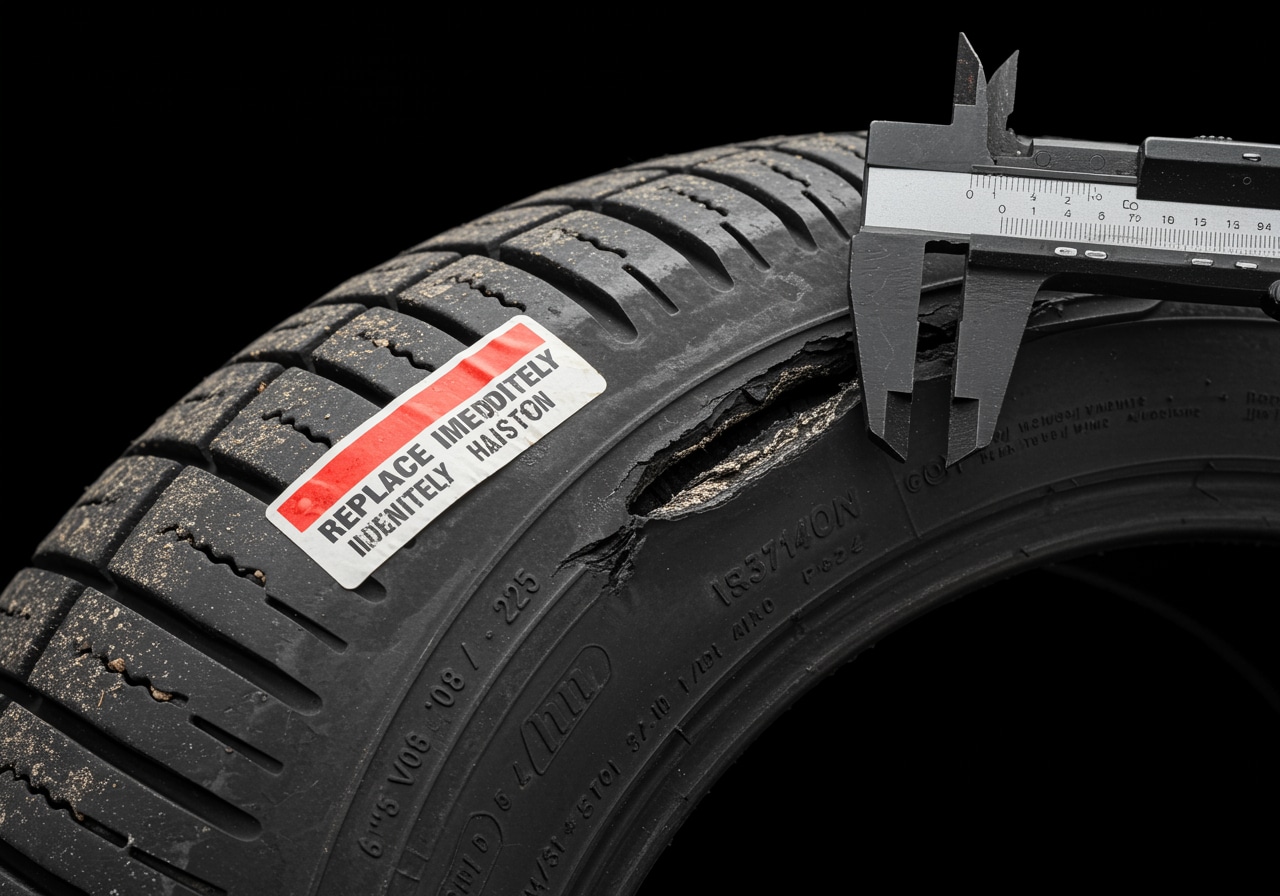
The short answer: Sometimes, but usually no. Run flat tires that have been driven while deflated typically cannot be safely repaired. The reinforced sidewalls that allow you to drive on a flat also make repair risky once compromised. Here’s what Houston drivers need to know.
Max Flat Distance
Max Flat Speed
Years Experience
When Can You Patch a Run Flat Tire?
Can you patch a run flat tire? In limited circumstances, yes—but only if the tire was never driven while flat. Once a run flat tire has been used in “limp mode” (driving while deflated), the internal structure is typically compromised beyond safe repair.
At Race Track Auto Center, located at 9840 Westpark Dr in Houston’s Westchase District, our ASE-certified technicians carefully evaluate each run flat tire to determine if repair is safe and advisable. We follow manufacturer guidelines and prioritize your safety over a quick fix.
Run flat tires feature reinforced sidewalls that support the vehicle’s weight when air pressure is lost. This allows you to drive up to 50 miles at up to 50 mph to reach safety. However, this same feature means the sidewalls flex and heat up during flat operation, often causing irreversible internal damage.
May Be Repairable
If the tire was NOT driven while flat and the puncture is in the tread area (not sidewall), repair may be possible following strict guidelines.
- Never driven flat
- Tread-only puncture
- Small hole (under 1/4″)
- No sidewall damage
Cannot Be Repaired
Most run flat tires we see have been driven while deflated. Once this happens, internal damage makes repair unsafe regardless of puncture size.
- Driven while flat
- Sidewall damage
- Multiple punctures
- Visible internal wear
Professional Inspection Required
Only a trained technician can determine if your run flat tire is safely repairable. We inspect both inside and outside the tire.
- Internal inspection
- Sidewall assessment
- Heat damage check
- Manufacturer specs
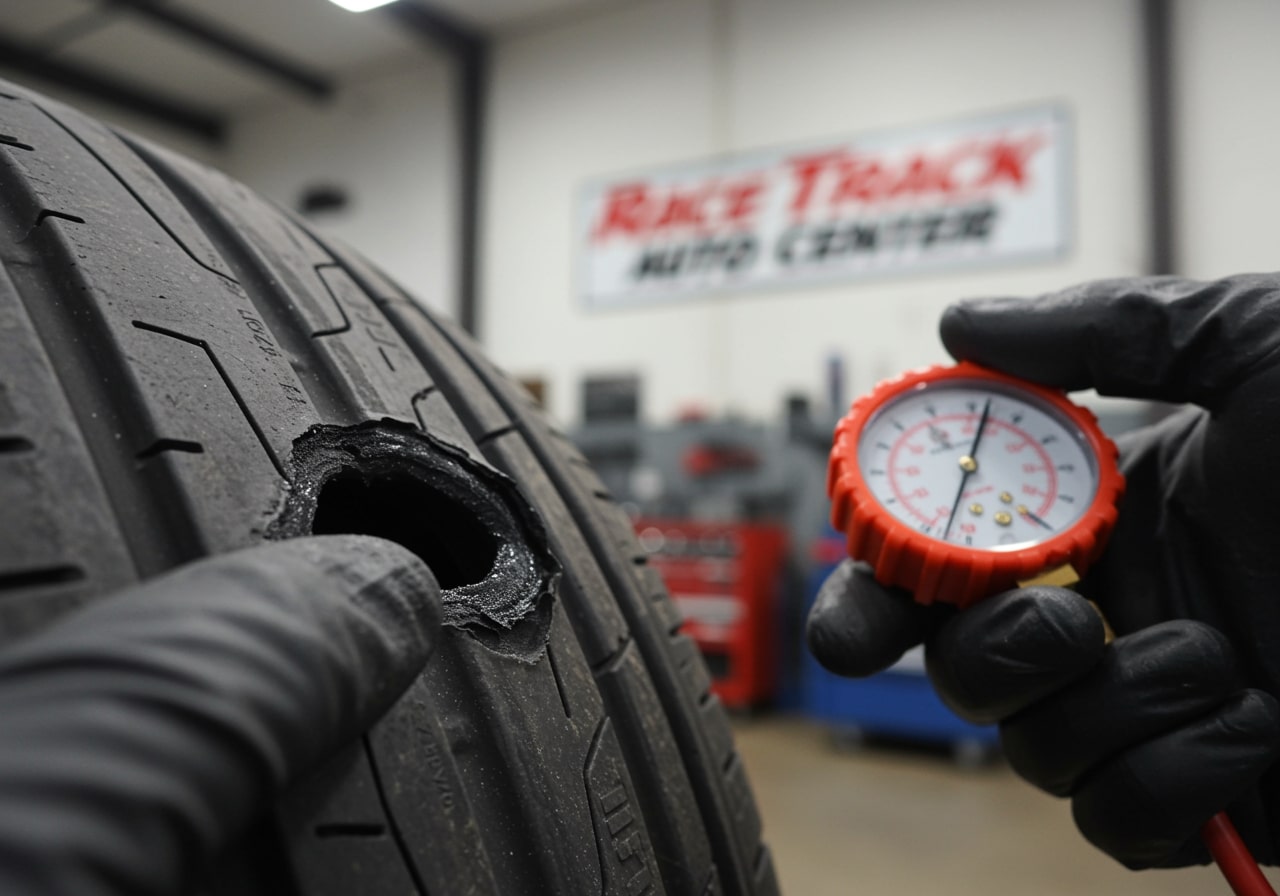
We assess every run flat carefully.
“In 18 years of run flat tire experience, I’ve learned that most run flat tires driven while deflated cannot be safely repaired. The internal structure damage compromises their unique safety features.”
6-Step Run Flat Tire Evaluation
Every run flat tire receives thorough inspection before we recommend repair or replacement.
History Review
We ask if the tire was driven while flat, for how long, and at what speed. This information is critical for safe repair decisions.
External Inspection
We examine the tire’s exterior for sidewall damage, bulges, cracks, or signs of heat damage from running flat.
Demount & Internal Check
The tire is removed from the wheel for complete internal inspection. We look for sidewall separation and heat damage.
Puncture Assessment
If a puncture exists, we measure its size and location. Only tread punctures under 1/4″ may be repairable.
Repair Decision
Based on our findings and manufacturer guidelines, we recommend repair or replacement. Safety always comes first.
Service & Testing
If repairable, we perform a proper internal patch. If not, we install a quality replacement. Either way, we verify proper function.
How Run Flat Tires Work
Understanding run flat technology helps explain why repair is often not possible after driving flat.
Reinforced Sidewalls
Extra-stiff sidewalls support vehicle weight when air is lost. But this structure degrades when flexed under load without air.
50-Mile / 50-MPH Limit
Manufacturers rate run flats for 50 miles at 50 mph maximum when flat. Exceeding this causes irreversible damage.
Heat Buildup
Running flat generates extreme heat in the sidewalls. This heat weakens the internal structure permanently.
TPMS Required
Run flats require tire pressure monitoring because you can’t feel when they’re low. Without TPMS, you may drive flat unknowingly.
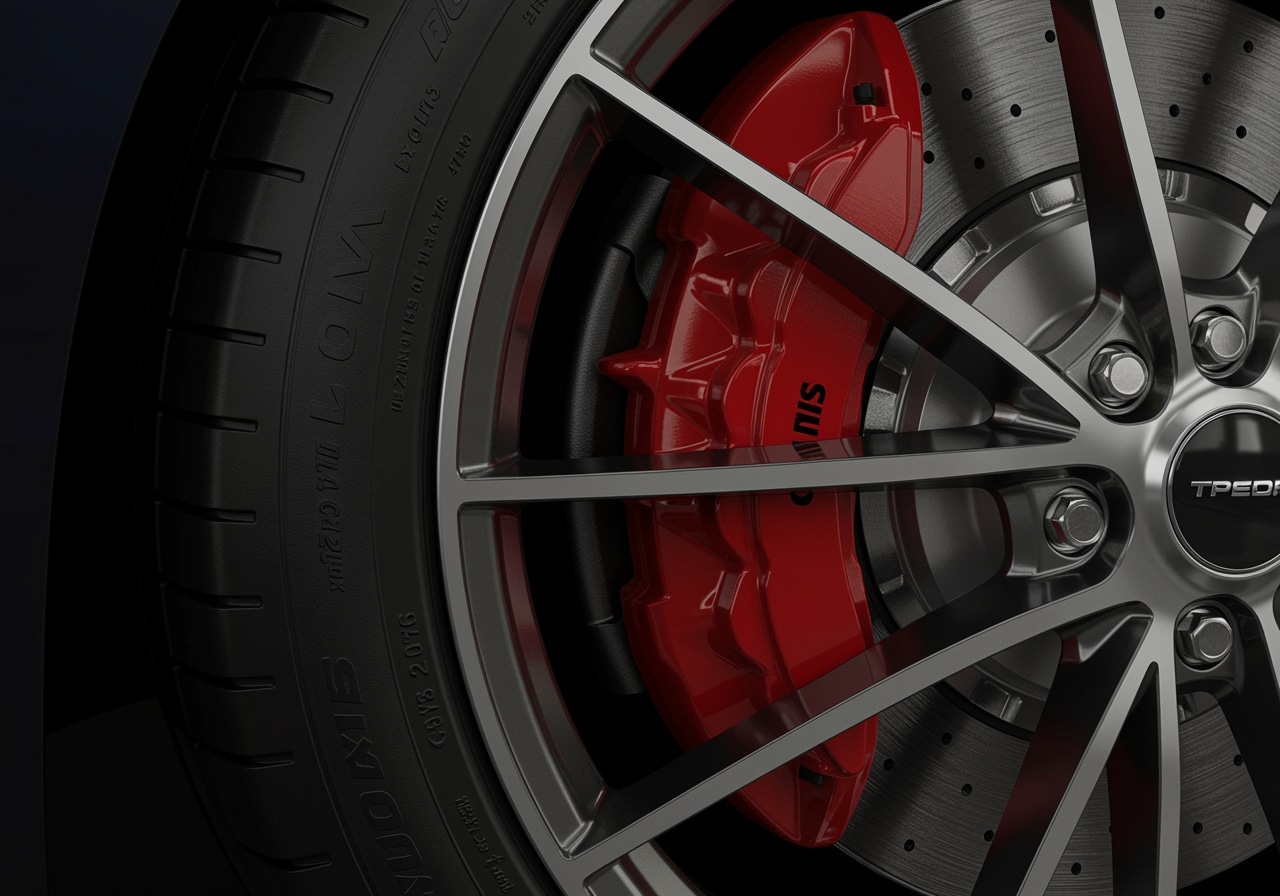
Miles Max When Flat
Why Houston Is Tough on Run Flats
Extreme Heat
Houston’s 100°F+ summers already stress run flat sidewalls. Add the heat from driving flat and internal damage happens faster.
Pothole Damage
Houston’s notorious potholes cause punctures and sidewall damage. Run flats are especially vulnerable due to stiffer construction.
Long Commutes
Houston’s sprawl means drivers may exceed the 50-mile flat limit trying to reach a shop, making their run flat unrepairable.
Construction Debris
Constant road construction leaves nails and screws everywhere. Run flats pick up punctures like any tire—but repair is more complex.
Need run flat tire evaluation? Get expert assessment before assuming repair is possible.
Run Flat vs. Standard Tire Repair
Understanding why run flat repair is different.
Standard Tire
- check Usually repairable if not driven flat
- check Simple internal patch process
- check $25-$45 typical repair cost
- check Most shops can repair
- check Replacement $100-$200
- check Widely available sizes
Run Flat Tire
- warning Rarely repairable after driving flat
- warning Requires internal inspection
- warning Repair requires expertise
- warning Many shops won’t touch them
- warning Replacement $200-$400+
- warning Limited size availability
Houston Drivers Share Their Experience
“Other shops wanted to patch my BMW run flat without even inspecting inside. Race Track showed me the internal damage from driving flat. Saved me from a dangerous situation. Honest pros.”
“My Mini’s run flat had a nail but I caught it early—never drove on it flat. Race Track confirmed it was repairable and patched it properly. Fair price and they explained everything.”
“Had my Mercedes run flat replaced here. They had my size in stock and the price was way better than the dealer. Professional service and they know these specialized tires.”
Run Flat Tire Service Throughout Houston
Conveniently located on Westpark Dr with run flat expertise for BMW, Mercedes, Mini, and more.
Westchase
Galleria
Memorial
Bellaire
River Oaks
West University
Tanglewood
Midtown
Heights
Montrose
Sugar Land
Katy
Run Flat Tire Issue?
Get expert evaluation before assuming it can be patched.
Run Flat Tire Services
| Service Type | What’s Included | Time | When Applicable |
|---|---|---|---|
| Run Flat Inspection | Full internal/external evaluation | 30-45 min | Before any repair decision |
| Run Flat Repair | Internal patch (if repairable) | 45-60 min | Never driven flat + tread puncture |
| Run Flat Replacement | New run flat, mount, balance | 1-2 hours | Driven flat or sidewall damage |
| Convert to Standard | Replace with conventional tire | 1-2 hours | Budget option (all 4 recommended) |
Internal/external evaluation
30-45 min
Before any repair decision
Internal patch if repairable
45-60 min
Never driven flat
New tire, mount, balance
1-2 hours
Driven flat or damaged
Common Questions
Answers about patching and repairing run flat tires.
Can you patch a run flat tire that was driven while flat?
expand_more
How do I know if my run flat was driven while flat?
expand_more
Why are run flat tires more expensive to replace?
expand_more
Can I replace run flat tires with regular tires?
expand_more
How far can I actually drive on a flat run flat tire?
expand_more
Do you stock run flat tires?
expand_more
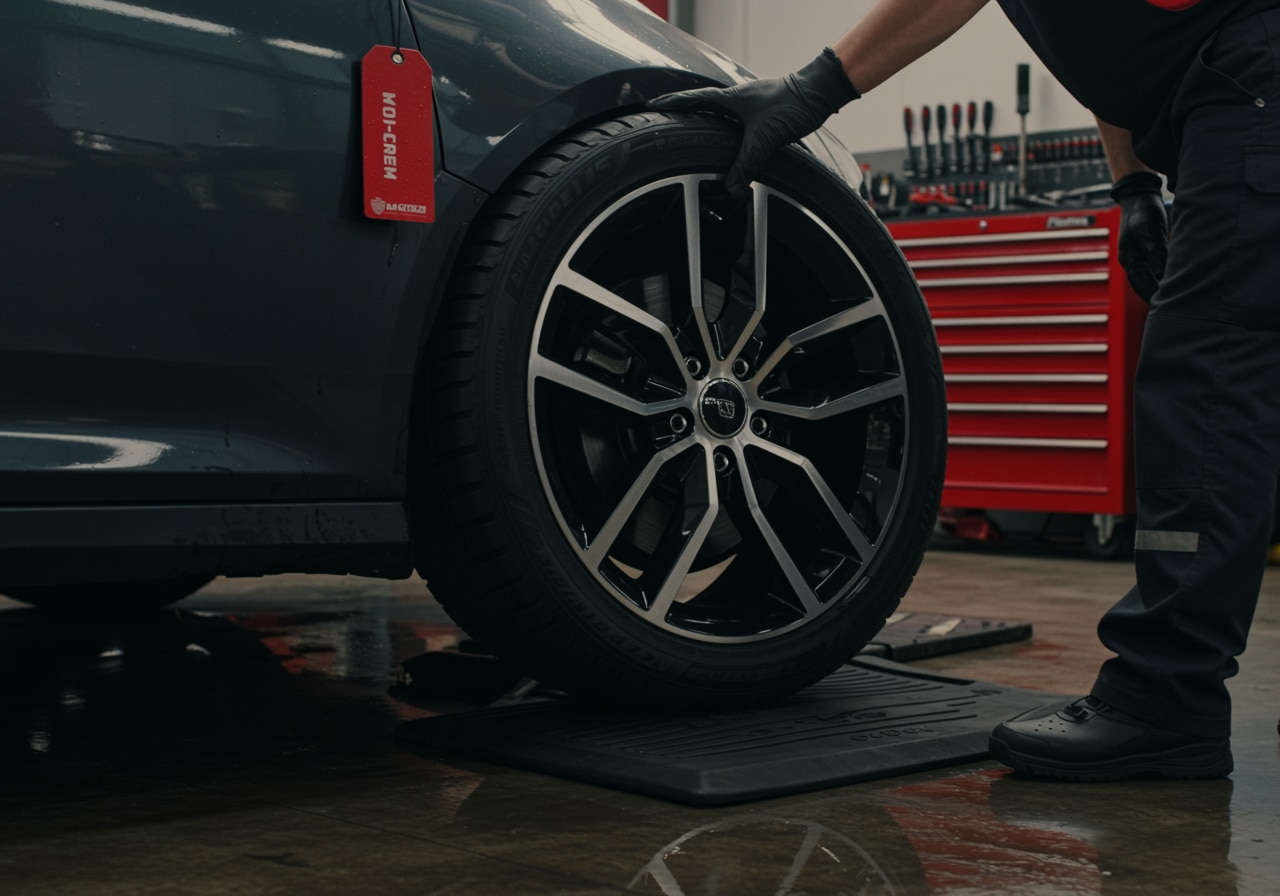
Where to Find Us
Questions about your run flat tire? Our ASE-certified technicians provide honest evaluation and expert service. We’ll tell you if it’s repairable—and if not, we offer competitive replacement pricing.