Table of Contents
How To Rotate Tires in Houston, Texas – Race Track Auto Center Guide
Learning how to rotate tires properly requires understanding professional techniques specifically adapted for Houston’s challenging driving conditions and climate. At Race Track Auto Center in the Westchase District, our ASE-certified technicians share expert knowledge on tire rotation methods that maximize tire life and ensure optimal performance against Houston’s heat, humidity, and aggressive traffic patterns. Whether you’re a beginner seeking to learn proper tire maintenance techniques or an experienced driver looking to extend tire life in Houston’s unique conditions, this comprehensive guide covers every aspect of professional-level tire rotation and care.
Located at 9840 Westpark Dr, we’ve taught thousands of Houston drivers professional tire rotation techniques, serving Bellaire, Sharpstown, Meyerland, and surrounding Harris County communities with unmatched expertise in tire maintenance education and automotive care instruction.
In my 20 years of teaching tire rotation techniques, I've seen how Houston's extreme heat and stop-and-go traffic patterns create unique wear challenges. Learning how to rotate tires properly in our environment can extend tire life by up to 40% compared to vehicles that never receive rotation.
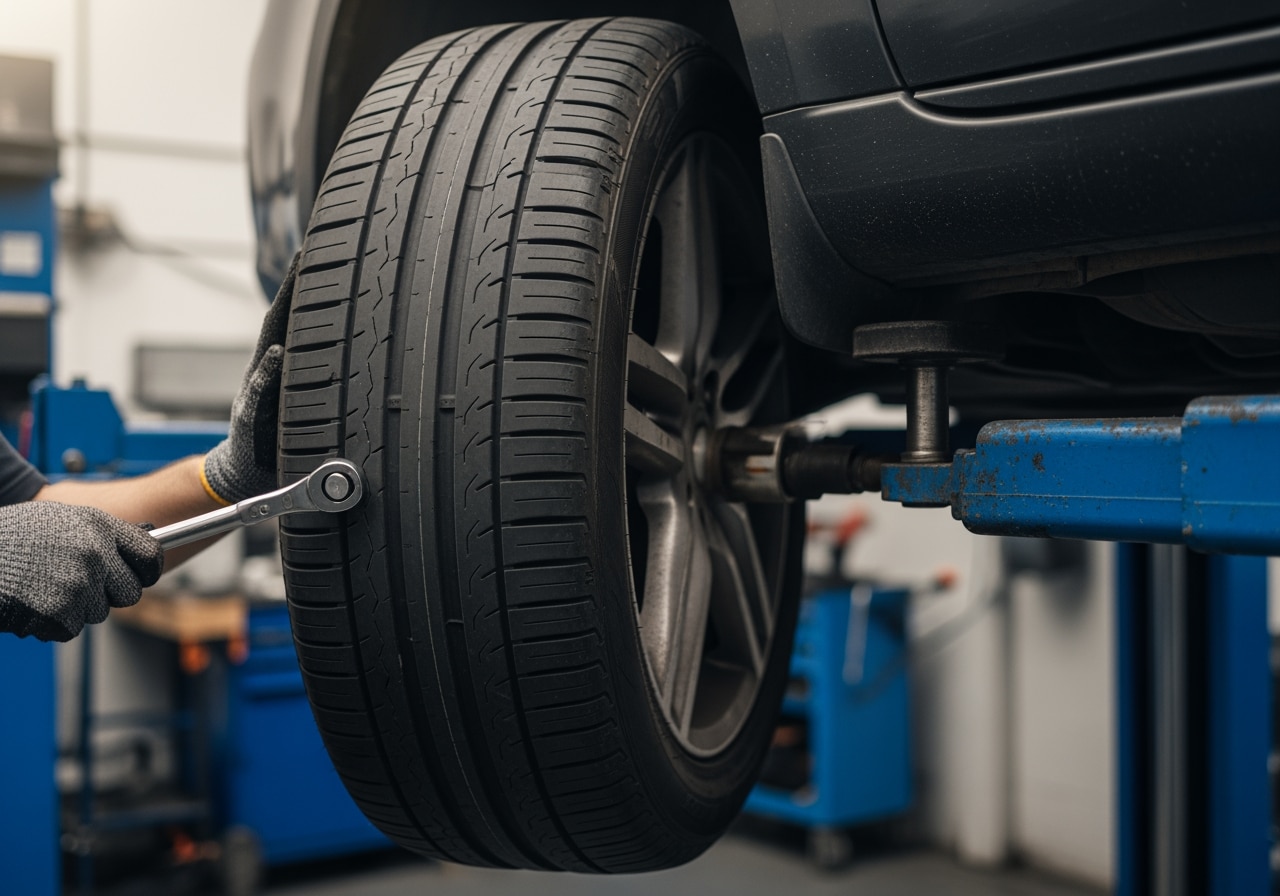
Understanding How To Rotate Tires Basics
Mastering tire rotation begins with understanding your vehicle's specific wear patterns and Houston's environmental impact on tire performance. Proper rotation technique selection depends on tire type, vehicle drivetrain, and driving conditions.
Houston Driving Conditions & Tire Wear
Houston presents unique challenges for tire maintenance that require specialized knowledge when learning how to rotate tires effectively. The combination of intense heat, heavy rainfall, aggressive traffic, and extensive highway driving demands adapted rotation strategies beyond standard manufacturer recommendations.
Climate-Specific Tire Considerations
Houston's subtropical climate accelerates tire degradation, increases heat buildup, and affects rubber compound flexibility throughout the year. Our specialized maintenance techniques address these challenges, teaching rotation methods that work effectively in high-heat and variable-weather conditions.
Traffic Pattern Impact on Tire Wear
Understanding Houston's traffic patterns helps optimize rotation schedules and techniques. Heavy stop-and-go traffic increases front tire wear, while highway speeds create heat-related degradation. Proper timing and technique selection addresses these specific wear patterns.
Proper tire rotation techniques can extend tire life by up to 75% compared to never rotating, especially critical in Houston's demanding driving environment with extreme heat and traffic conditions.
Proper tire rotation techniques can extend tire life by up to 75% compared to never rotating.
Tire Assessment & Rotation Planning
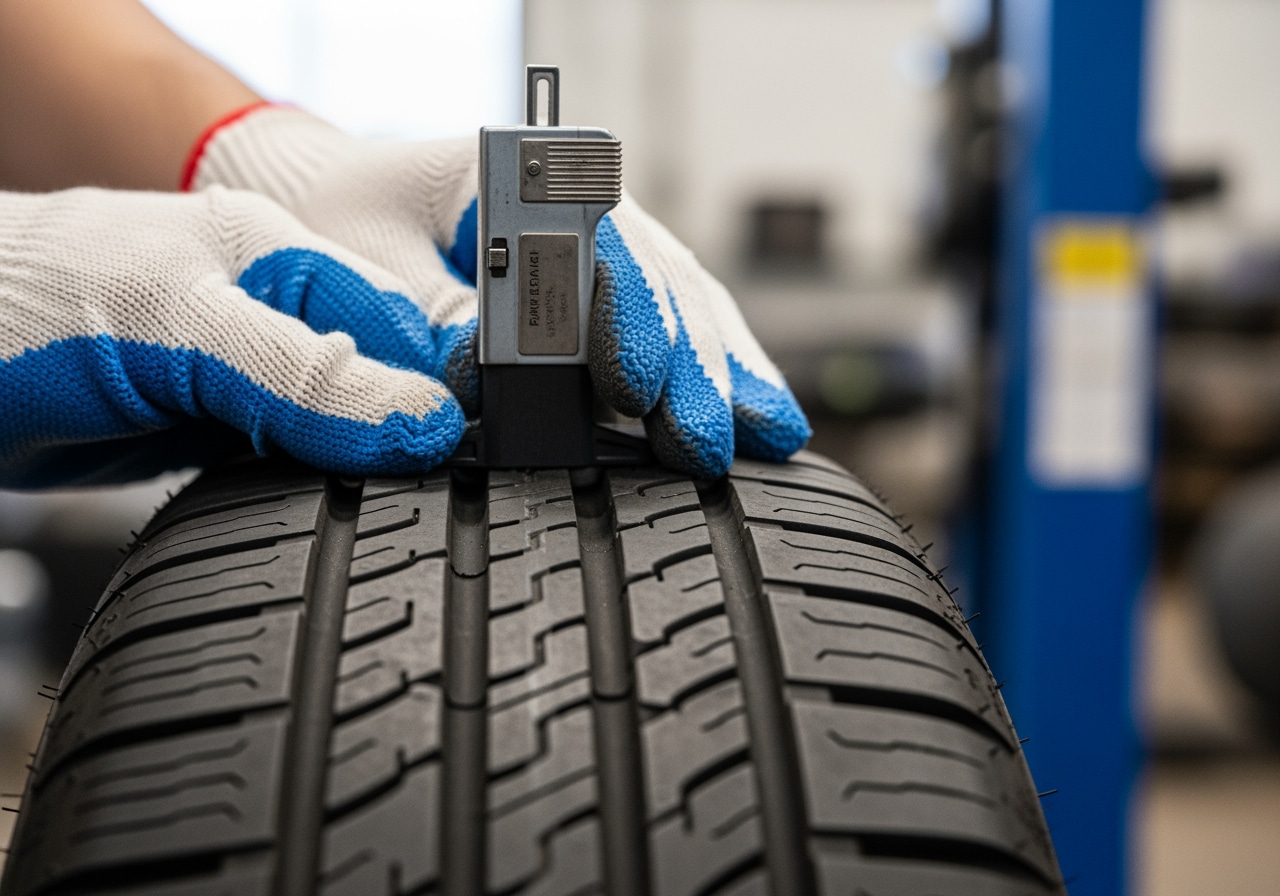
Learning how to rotate tires begins with thorough tire assessment and rotation pattern selection. Our systematic inspection method evaluates tread depth, wear patterns, and tire condition to develop customized rotation schedules adapted to individual driving habits.
Tire assessment extends beyond simple tread depth measurement. Irregular wear patterns, sidewall condition, and age-related degradation all influence rotation timing and technique selection. Professional tire rotation education addresses these assessment skills through systematic analysis and targeted maintenance planning.
Complete Tire Rotation Step-by-Step Guide
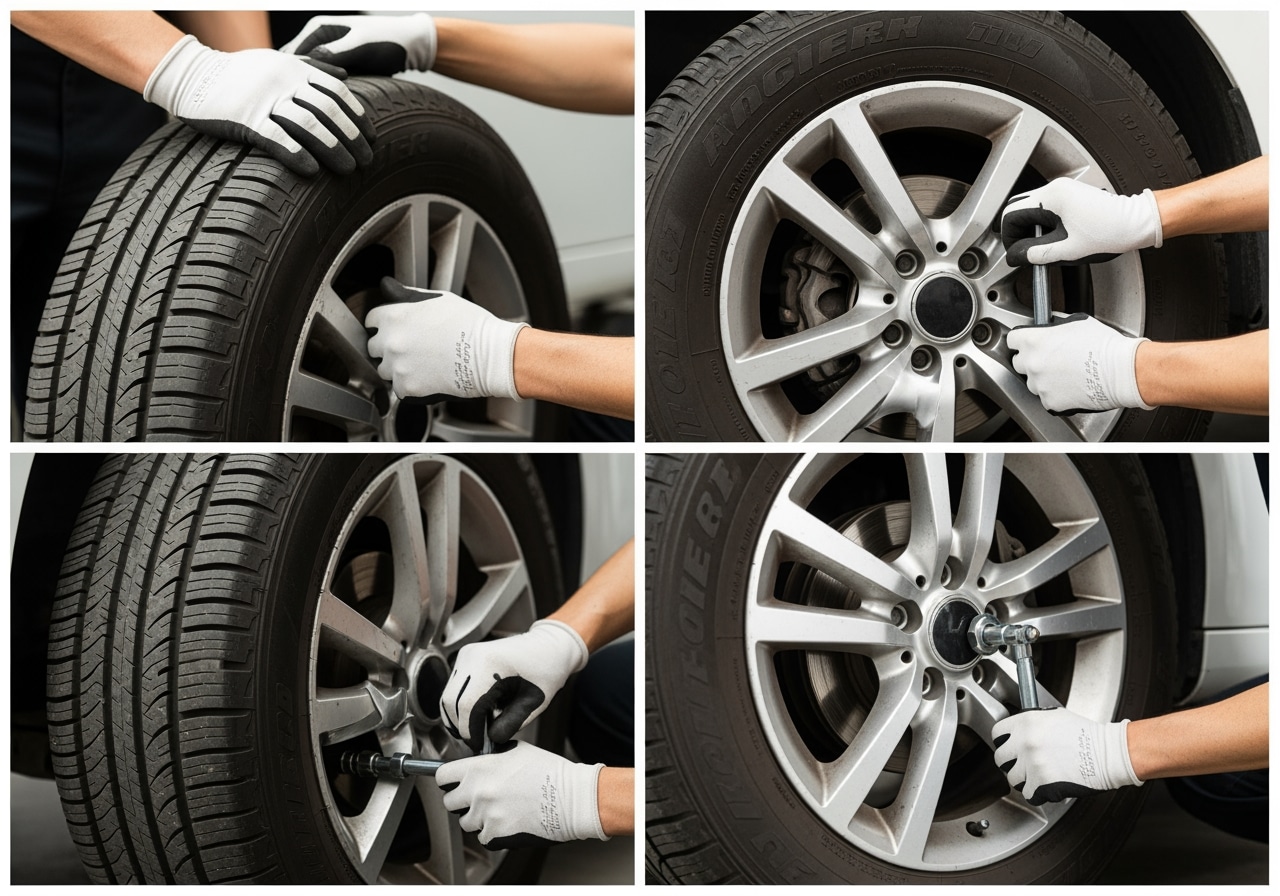
Modern tire rotation techniques encompass multiple safety procedures and systematic processes working together to achieve optimal results. Each step builds upon proper preparation, ensuring safe and effective tire maintenance.
Complete Vehicle & Tire Assessment
Begin with thorough tire inspection, checking tread depth, wear patterns, and overall condition. Document current positions and select appropriate rotation pattern based on tire type and vehicle configuration.
Safe Vehicle Lifting & Preparation
Use proper jack points and safety stands to secure vehicle. Prepare workspace with necessary tools and ensure proper torque wrench calibration for wheel reinstallation.
Systematic Tire Removal & Rotation
Remove wheels in planned sequence, following selected rotation pattern. Mark tire positions if needed and inspect brake components while wheels are removed.
Professional Reinstallation & Torque
Install wheels in new positions using proper torque sequence and specifications. Verify tire pressure and perform final safety inspection before lowering vehicle.
Tire Rotation Process
Assessment
Thorough tire inspection and rotation pattern selection based on vehicle configuration.
Lifting & Prep
Safe vehicle lifting using proper jack points and safety stand positioning.
Rotation
Systematic tire removal and positioning following selected rotation pattern.
Reinstallation
Professional wheel installation with proper torque specifications and safety checks.
| Skill Level | Techniques Covered | Time Required | Equipment Needed |
|---|---|---|---|
| Beginner | Basic rotation patterns, jack safety, tire inspection basics | 60-90 minutes | Floor jack, jack stands, lug wrench |
| Intermediate | Advanced patterns, torque specifications, wear analysis | 45-60 minutes | Torque wrench, tread gauge, marking tools |
| Advanced | Directional tires, asymmetric patterns, balancing considerations | 30-45 minutes | Professional lifting equipment, calibrated tools |
| Expert | Performance tires, specialized vehicles, wear pattern diagnosis | 20-30 minutes | Full professional service bay equipment |
Professional tire rotation technique demonstrations
Proper tire rotation techniques provide up to 5 times better tire longevity compared to never rotating, with professional results achievable through proper education and consistent practice.
Proper tire rotation techniques provide up to 5 times better tire longevity compared to never rotating.
Professional Preparation & Safety
Learning how to rotate tires requires mastering safety procedures that protect both the technician and vehicle. Proper preparation techniques ensure successful rotation while preventing injury and equipment damage.
Jack Point Selection vs Vehicle Type
Different vehicle configurations require specific jack point locations and lifting procedures. Unibody construction demands reinforced lifting points, while truck frames offer multiple options. Safety stand placement prevents catastrophic failure during tire rotation. Our complete safety training covers these critical techniques.
Tool Selection and Torque Specifications
Proper torque wrench selection prevents wheel damage and ensures secure installation. Manufacturer specifications vary by vehicle weight and wheel design. Impact gun usage requires understanding torque limitations and final hand-tightening requirements for safety.
Advanced Rotation Patterns & Techniques
Advanced tire rotation extends beyond basic front-to-rear patterns. Professional-level techniques accommodate different tire types, drivetrain configurations, and wear conditions through specialized rotation strategies.
Directional tire rotation requires understanding tread pattern orientation and rotation limitations. Asymmetric tires demand inside-outside positioning awareness. Different drivetrain configurations need adapted rotation patterns to optimize tire life through our comprehensive training programs.
Rotation Method Effectiveness Comparison
Ongoing Tire Maintenance Programs
Learning how to rotate tires includes understanding maintenance schedules adapted to Houston's climate and driving conditions. Systematic maintenance preserves tire investment and ensures optimal performance between rotation intervals.
Monthly tire pressure inspections identify early problems before they cause irregular wear. Quarterly rotation schedules maintain even tread wear across all positions. Annual alignment checks ensure proper tire contact and longevity. This structured approach, supported by our ongoing maintenance support, maximizes tire investment returns.
Seasonal Rotation Schedule Adjustments
Houston's weather patterns require seasonal modifications to tire rotation approaches. Summer's extreme heat accelerates rubber degradation requiring more frequent inspections. Spring preparation addresses winter damage and prepares for heat stress. Fall rotation prepares tires for occasional temperature drops and increased rainfall.
Common Rotation Mistake Prevention
Understanding common tire rotation mistakes prevents damage and safety hazards. Incorrect torque specifications cause wheel loosening or damage. Wrong rotation patterns accelerate irregular wear. Ignoring directional tire orientation creates handling problems. Our educational programs teach proper technique selection and mistake avoidance.
| Location | Class Schedule | Skill Levels | Special Focus |
|---|---|---|---|
| Westchase District | Daily Classes | All Levels Available | Safety-focused instruction |
| Bellaire | Weekly Sessions | Intermediate & Advanced | Luxury vehicle specialization |
| Sharpstown | Bi-weekly Classes | Beginner & Intermediate | Tool selection guidance |
| Meyerland | Monthly Workshops | All Levels | Wear pattern analysis |
| Gulfton | Weekend Intensive | Advanced Techniques | Professional certification prep |
Vehicle owners who learn proper tire rotation techniques save an average of 65% on tire replacement costs compared to those who never rotate their tires.
Vehicle owners who learn proper tire rotation techniques save an average of 65% on tire replacement costs.
Time Investment & Tire Life Benefits
Learning how to rotate tires properly delivers measurable financial benefits and extends tire investment value. Well-maintained tires provide consistent performance while avoiding premature replacement costs that can exceed thousands of dollars.
Consider the time investment versus tire replacement costs. Learning proper rotation requires initial time commitment but provides ongoing savings and extended tire life. A set of quality tires costing $800-$1500 can last 80,000+ miles with proper rotation versus 40,000 miles without rotation. The knowledge gained through our comprehensive education programs provides lifetime value.
Skill Development and Safety Benefits
Tire rotation education provides transferable automotive skills valuable beyond tire maintenance. Understanding vehicle lifting, torque specifications, and safety procedures creates expertise applicable to various automotive maintenance tasks. Many students develop these skills into broader automotive knowledge or professional opportunities.
Master Tire Rotation Skills
Learn professional tire rotation techniques with expert instruction from Race Track Auto Center. Our comprehensive training programs teach safe, effective methods specifically adapted for Houston's challenging driving conditions.
Complete tire rotation technique training process
| Question | Answer |
|---|---|
| How often should I rotate tires in Houston? | Houston's extreme heat and driving conditions typically require rotation every 5,000-6,000 miles, more frequently than moderate climates. Heavy traffic and heat stress accelerate tire wear patterns. Learn about our maintenance schedule recommendations. |
| What tools do I need to rotate tires safely? | Essential tools include a floor jack rated for your vehicle weight, four jack stands, lug wrench or impact gun, and a calibrated torque wrench. Safety equipment and proper workspace preparation are equally important for successful rotation. |
| Can I rotate directional or asymmetric tires? | Directional tires can only rotate front-to-rear on the same side, while asymmetric tires require maintaining inside-outside orientation. These limitations affect rotation patterns but don't eliminate rotation benefits when done properly. |
| How do I know if my tire rotation pattern is correct? | Correct patterns depend on drivetrain type (FWD, RWD, AWD) and tire design. Professional instruction ensures proper pattern selection and helps avoid mistakes that can accelerate wear or create handling problems. |
| Do you offer hands-on tire rotation training? | Yes, our comprehensive training programs include hands-on instruction with your vehicle or our training vehicles, ensuring proper safety technique development. |
| What's the most dangerous mistake beginners make? | Improper vehicle support is the most dangerous mistake, potentially causing serious injury or death. Using inadequate jacks, wrong lift points, or skipping safety stands creates catastrophic failure risks. Proper safety training prevents these hazards. |
Sources Used
- Car Care Council - Tire maintenance standards and safety protocols
- National Institute for Automotive Service Excellence - Technical service education data
- Automotive Service Association - Service training outcome metrics
Service Disclaimer:
The information provided is for educational purposes and general automotive guidance. Actual service requirements,
timeframes, and costs may vary based on vehicle make, model, condition, and specific circumstances. Always consult
with our ASE-certified technicians at Race Track Auto Center for accurate diagnostics and personalized service
recommendations for your vehicle. Services subject to parts availability. Contact us at (713) 575-7387 for current
pricing and scheduling. We serve Houston, Westchase, Bellaire, and surrounding Harris County areas.