
Table of Contents
How Often Should You Rotate Your Tires in Houston, Texas – Race Track Auto Center
Understanding how often you should rotate your tires is crucial for maintaining optimal vehicle performance and safety on Houston’s challenging roadways. At Race Track Auto Center in the Westchase District, our ASE-certified technicians recommend specific tire rotation intervals based on your driving habits, vehicle type, and Houston’s unique environmental conditions. Professional tire rotation extends tire life by up to 30%, ensures even wear patterns, and maintains proper traction for Houston’s unpredictable weather conditions.
Located at 9840 Westpark Dr, we’ve established ourselves as Houston’s premier destination for comprehensive tire rotation services, serving Bellaire, Sharpstown, Meyerland, and surrounding Harris County communities with unmatched expertise in tire care and automotive maintenance.
In my 18 years servicing Houston vehicles, I've seen how proper tire rotation can double tire life. Most customers ask how often they should rotate their tires - the answer depends on your specific driving conditions and vehicle type.
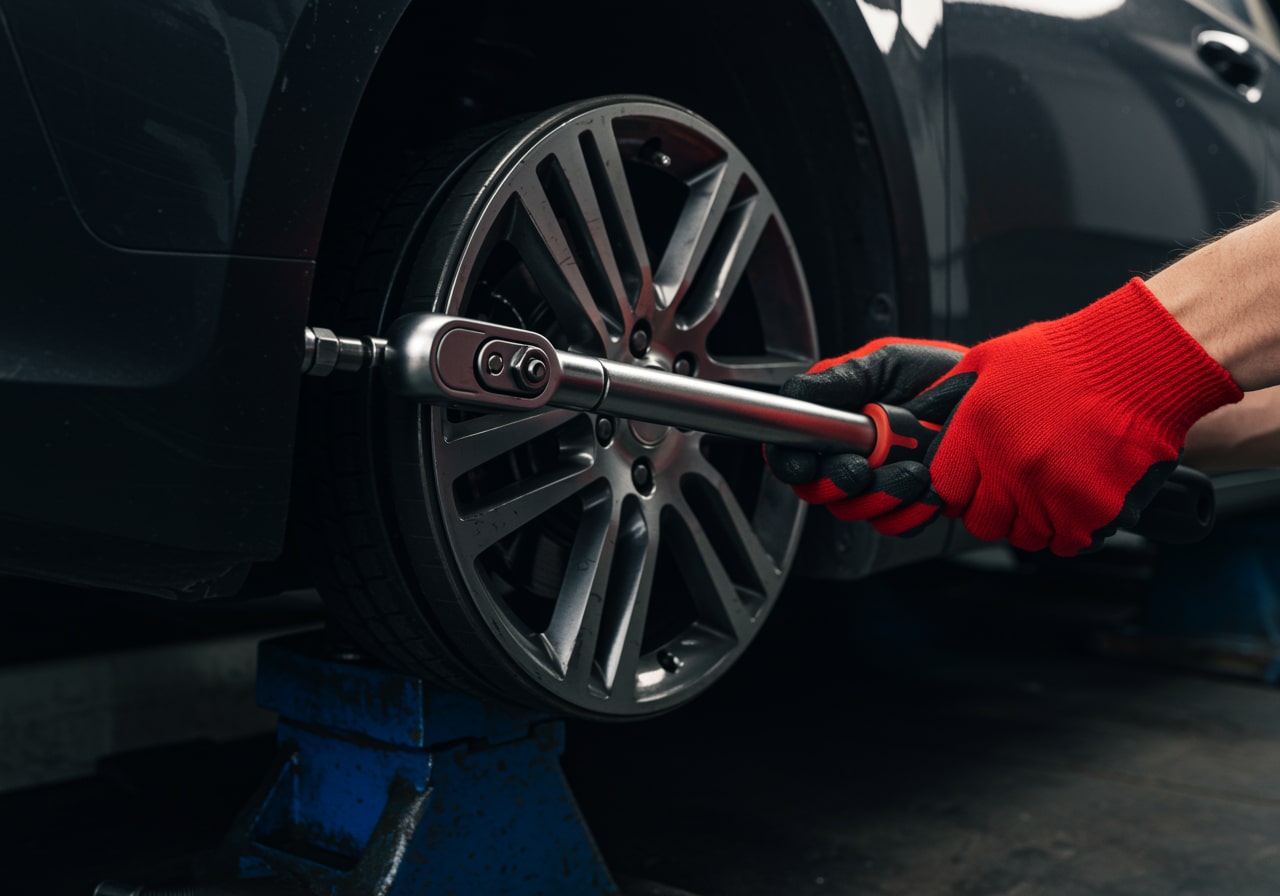
Understanding Tire Rotation Importance & Timing
Determining how often you should rotate your tires requires understanding Houston's unique driving environment and your vehicle's specific needs. Proper rotation timing prevents uneven wear, maintains optimal traction, and maximizes your tire investment.
Houston's Driving Conditions & Tire Wear
Houston's climate and road conditions create specific challenges that affect how often you should rotate your tires. High temperatures, frequent rain, and stop-and-go traffic patterns accelerate tire wear in predictable ways.
Temperature and Road Surface Impact
Houston's intense summer heat causes tire compounds to soften, leading to faster wear on contact patches. Our engine repair services include comprehensive cooling system checks that prevent overheating and additional tire stress.
Traffic Pattern Analysis
Houston's heavy traffic creates constant starting and stopping that wears front tires faster than rear tires. Regular rotation redistributes this wear, ensuring all four tires wear evenly throughout their service life.
Regular tire rotation every 5,000-6,000 miles can extend tire life by 30% while maintaining optimal traction and safety standards.
Regular tire rotation every 5,000-6,000 miles can extend tire life by 30% while maintaining optimal traction.
Professional Tire Rotation Assessment
Answering "how often should you rotate your tires" requires evaluating multiple factors including vehicle type, driving habits, and tire construction. Our comprehensive assessment creates personalized rotation schedules.
Front-wheel drive vehicles typically require rotation every 5,000-6,000 miles due to increased front tire wear. All-wheel drive systems demand more frequent attention, while rear-wheel drive vehicles can often extend intervals to 6,000-7,500 miles. Professional assessment ensures optimal timing through our comprehensive maintenance programs.
Complete Tire Rotation Service Solutions
Professional tire rotation services encompass multiple specialized processes that work together to maximize tire performance and longevity. Each service builds upon the previous, creating comprehensive tire care.
Comprehensive Tire Assessment
Our certified technicians perform detailed tire inspections, measuring tread depth and identifying wear patterns to determine optimal rotation strategy.
Pressure & Alignment Verification
We check and adjust tire pressures to manufacturer specifications while assessing wheel alignment to prevent future uneven wear.
Strategic Position Rotation
Using proven rotation patterns specific to your vehicle type, we systematically move tires to new positions for optimal wear distribution.
Wheel Balance & Quality Check
Final wheel balancing ensures smooth operation while our quality inspection verifies proper installation and optimal performance.
Tire Rotation Process
Inspect & Assess
Thorough tire inspection and tread depth measurement to determine rotation strategy.
Pressure Check
Verify and adjust tire pressures while checking wheel alignment status.
Rotate Positions
Strategic tire repositioning using proven patterns for optimal wear distribution.
Balance & Check
Final wheel balancing and quality inspection ensures optimal performance.
| Package Level | Services Included | Duration | Recommended Frequency |
|---|---|---|---|
| Quick Rotation | Basic rotation, pressure check, visual inspection | 30 minutes | Every 5,000 miles |
| Standard Service | Complete rotation, pressure adjustment, tread measurement | 45 minutes | Every 6,000 miles |
| Premium Package | Full rotation, wheel balance, alignment check, detailed inspection | 60 minutes | Every 7,500 miles |
| Complete Service | Rotation, balance, alignment, tire pressure monitoring system check | 90 minutes | Every 10,000 miles |
Professional tire rotation techniques for maximum tire life
Vehicles receiving professional tire rotation show 40% more even wear patterns compared to those without regular rotation service.
Vehicles receiving professional tire rotation show 40% more even wear patterns compared to unrotated tires.
Tire Rotation Patterns & Techniques
Understanding how often you should rotate your tires requires knowing proper rotation patterns for your vehicle type. Front-wheel drive vehicles use different patterns than rear-wheel or all-wheel drive systems.
Drive System Specific Patterns
Front-wheel drive vehicles require cross-rotation patterns to address accelerated front tire wear. All-wheel drive systems need more complex patterns due to power distribution across all four tires. Our transmission services ensure proper drivetrain function that affects tire wear patterns.
Directional Tire Considerations
Directional tires require front-to-back rotation only, while asymmetrical tires allow cross-rotation patterns. Understanding tire construction determines proper rotation techniques and frequency recommendations.
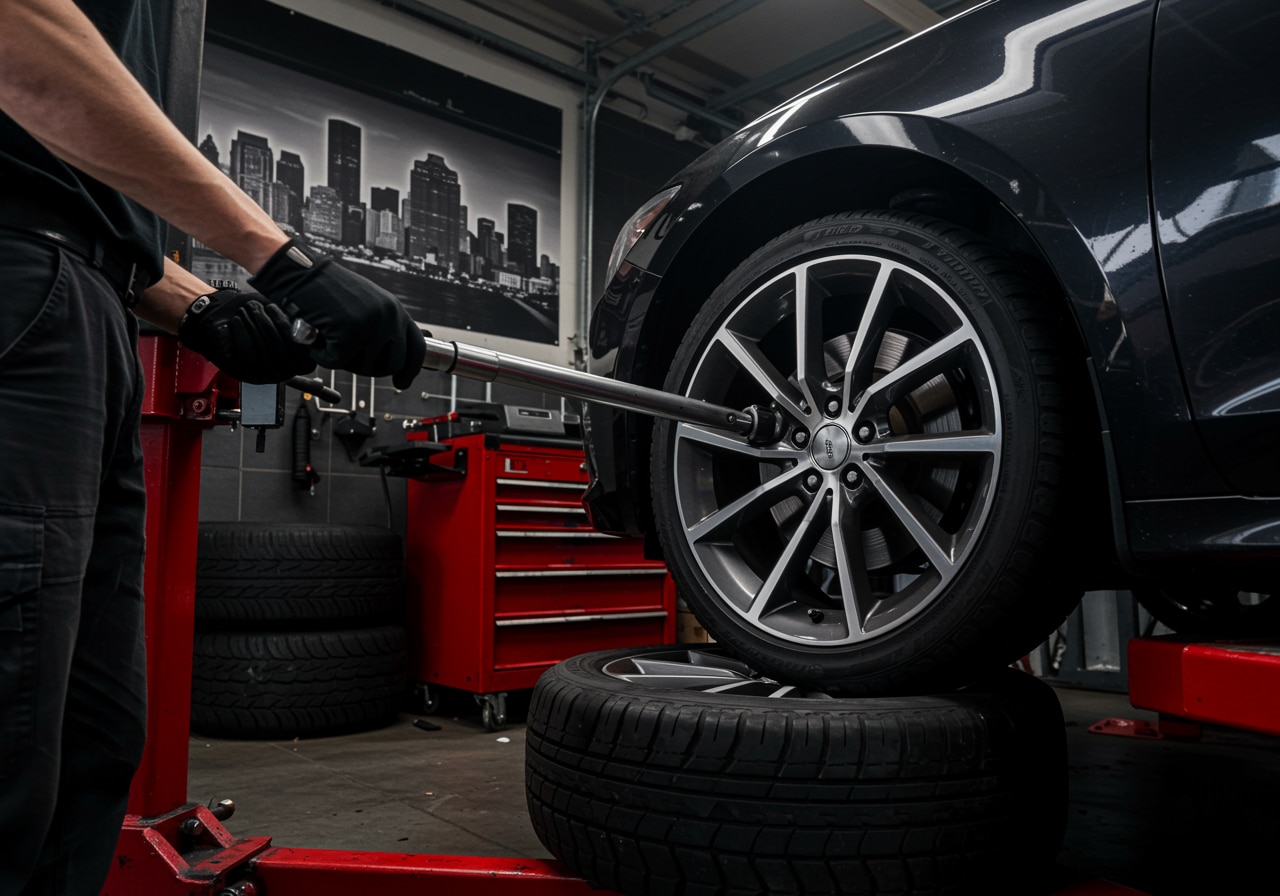
Advanced Tire Maintenance Systems
Modern tire care extends beyond basic rotation timing. Advanced maintenance systems monitor tire pressure, track rotation history, and predict optimal service intervals.
Tire pressure monitoring systems provide real-time data that affects rotation schedules. Low pressure accelerates wear, requiring more frequent rotation intervals. Our comprehensive maintenance approach includes TPMS service through our complete automotive services.
Tire Care Maintenance Programs
Maximizing the benefits of knowing how often you should rotate your tires requires structured maintenance programs adapted to Houston's driving conditions. Our programs ensure consistent care and optimal tire performance.
Regular rotation schedules prevent costly tire replacement while maintaining vehicle safety. Monthly pressure checks, quarterly inspections, and scheduled rotations create comprehensive tire care. Annual alignment checks ensure rotation effectiveness. This systematic approach, supported by our mobile mechanic services, maximizes tire investment returns.
Seasonal Tire Considerations
Houston's seasonal changes affect how often you should rotate your tires. Summer heat accelerates wear rates, requiring closer monitoring. Heavy fall rains demand optimal tread depth distribution. Spring storms create debris hazards that can damage poorly maintained tires.
Climate-Based Rotation Scheduling
Hot summer months may require rotation every 4,000-5,000 miles due to increased wear rates. Cooler winter months allow standard 6,000-mile intervals. Our detailing services include tire care that complements rotation schedules.
| Location | Response Time | Mobile Service | Special Services |
|---|---|---|---|
| Westchase District | Same Day | Full Mobile Available | Emergency tire service |
| Bellaire | Same Day | Full Mobile Available | Luxury tire specialists |
| Sharpstown | Same Day | Limited Mobile | Fleet tire programs |
| Meyerland | Next Day | Limited Mobile | Run-flat tire service |
| Gulfton | Same Day | Standard Mobile | Extended service hours |
Customers following proper tire rotation schedules save an average of $800 per year on tire replacement costs while maintaining optimal safety.
Customers following proper tire rotation schedules save an average of $800 per year on tire replacement costs.
Return on Investment & Tire Value
Understanding how often you should rotate your tires provides significant financial benefits beyond basic maintenance. Proper rotation timing delivers measurable returns through extended tire life and improved safety.
Consider a $1,200 tire set. Without proper rotation, uneven wear requires replacement at 35,000 miles. Regular rotation extends life to 50,000+ miles, saving $400+ per replacement cycle. Professional rotation services totaling $200 annually preserve thousands in tire value. The mathematics clearly favor proactive tire care through our comprehensive automotive services.
Safety and Performance Benefits
Regular tire rotation maintains optimal traction for Houston's challenging weather conditions. Even wear patterns provide predictable handling characteristics and shorter stopping distances. Proper maintenance reduces blowout risks while ensuring consistent performance across all driving conditions.
Schedule Your Tire Rotation Today
Don't wait for uneven wear to damage your tires. Our certified technicians provide expert tire rotation services that extend tire life and maintain optimal safety for Houston driving conditions.
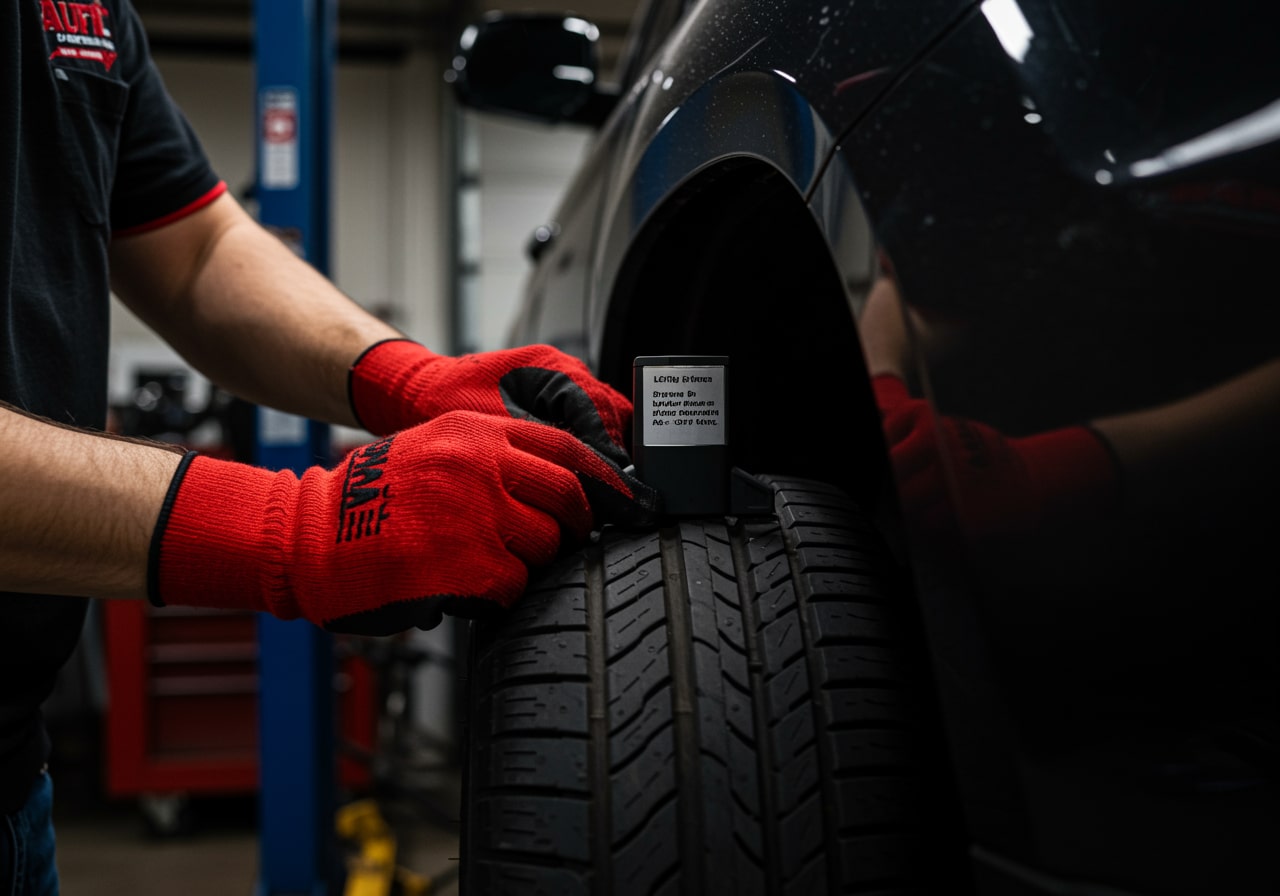
Complete tire rotation service demonstration
| Question | Answer |
|---|---|
| How often should you rotate your tires in Houston? | For Houston's climate and traffic conditions, we recommend tire rotation every 5,000-6,000 miles. Front-wheel drive vehicles may need rotation every 5,000 miles, while all-wheel drive systems require careful monitoring. Learn about our maintenance schedules. |
| What happens if I don't rotate my tires regularly? | Without regular rotation, tires develop uneven wear patterns that reduce traction, increase road noise, and require premature replacement. Front tires typically wear 50% faster than rear tires without rotation. |
| Can I rotate my tires myself? | While possible, professional rotation ensures proper torque specifications, wheel balance, and wear pattern analysis. Our technicians also check for alignment issues and other problems during service. |
| Do all tires need to be rotated? | Most tire types benefit from rotation, but directional tires can only be rotated front-to-back. Different tire sizes on front and rear axles cannot be cross-rotated. We assess each vehicle individually. |
| How much does tire rotation cost? | Professional tire rotation typically costs $50-$100, but this investment extends tire life by 30% or more. Many customers combine rotation with oil change services for convenience. |
| Should I rotate tires with TPMS sensors? | Yes, TPMS-equipped vehicles require rotation just like standard tires. Our technicians reprogram the system after rotation to ensure accurate pressure monitoring for each wheel position. |
Sources Used
- Car Care Council - Tire maintenance standards and rotation guidelines
- National Institute for Automotive Service Excellence - Professional service recommendations
- National Highway Traffic Safety Administration - Tire safety standards and regulations
Service Disclaimer:
The information provided is for educational purposes and general automotive guidance. Actual service requirements,
timeframes, and costs may vary based on vehicle make, model, condition, and specific circumstances. Always consult
with our ASE-certified technicians at Race Track Auto Center for accurate diagnostics and personalized service
recommendations for your vehicle. Services subject to parts availability. Contact us at (713) 575-7387 for current
pricing and scheduling. We serve Houston, Westchase, Bellaire, and surrounding Harris County areas.